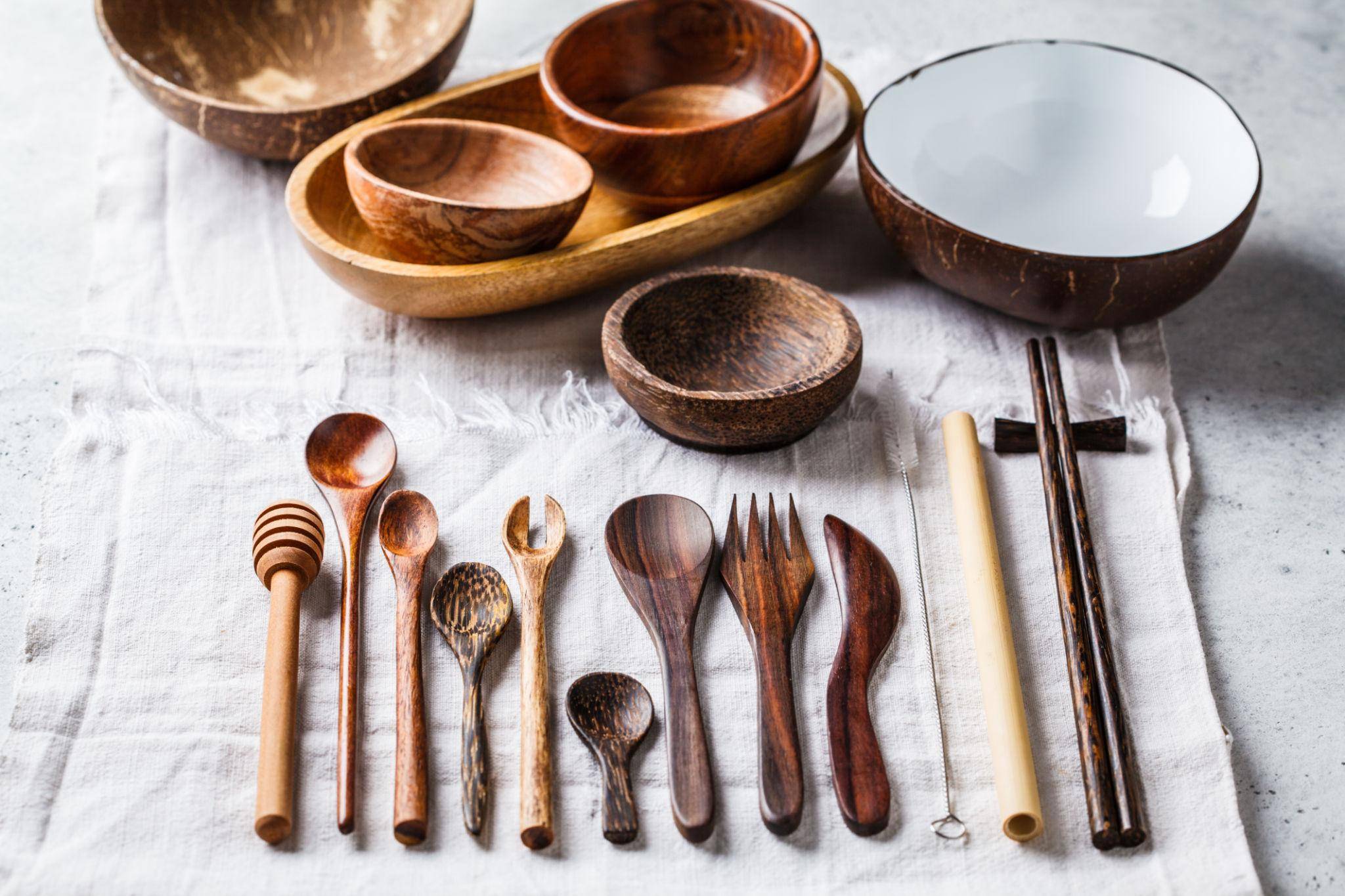
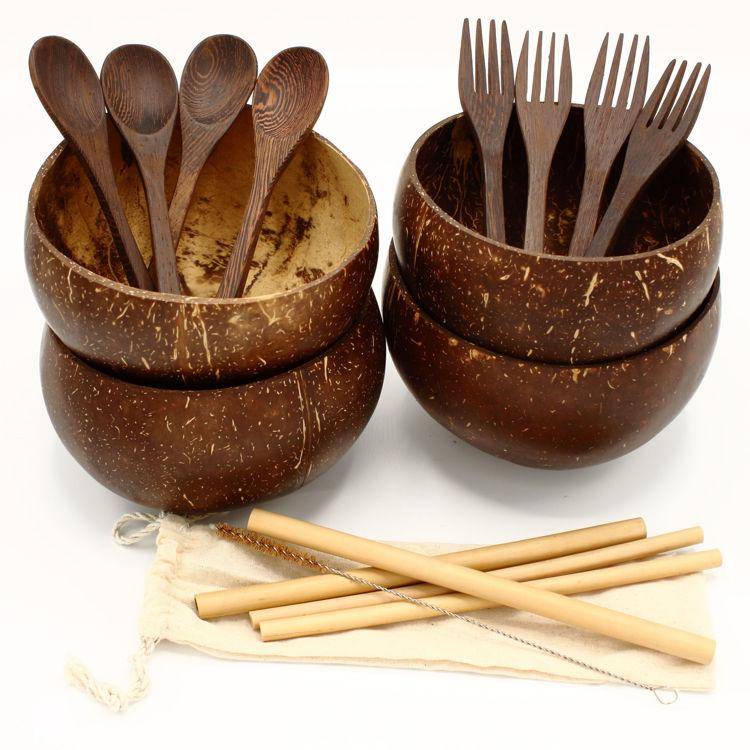
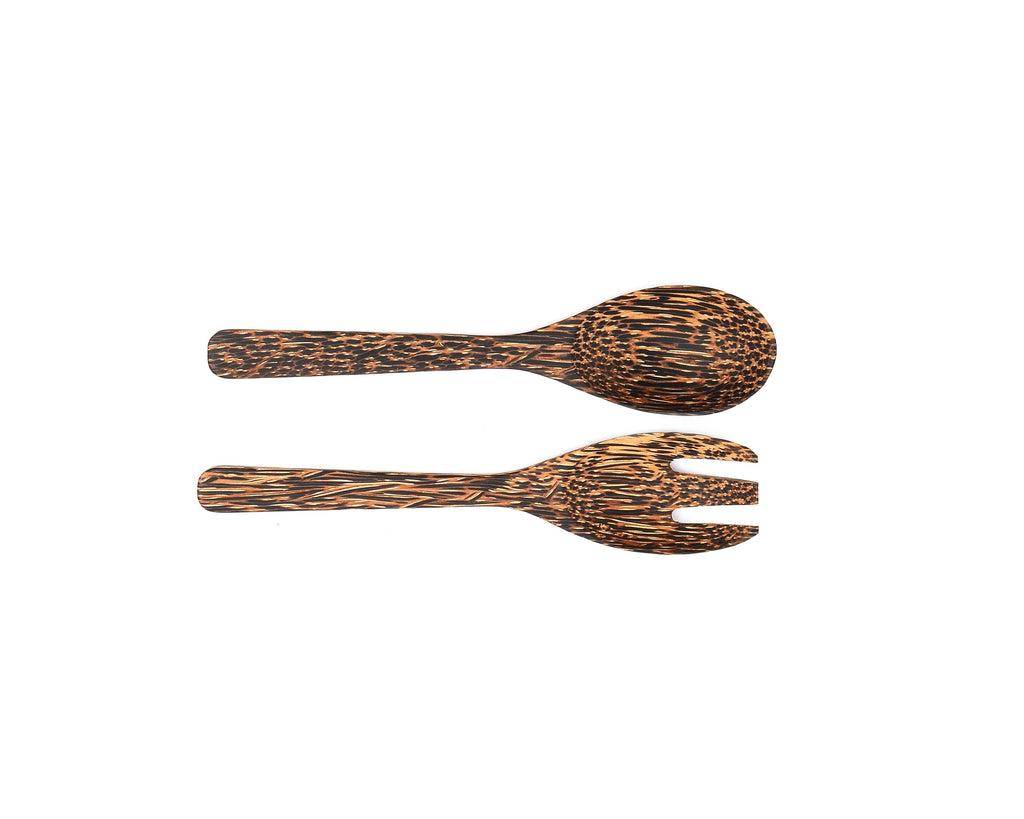
As global demand for sustainable living continues to rise, Vietnam’s coconut wood tableware industry is stepping into the spotlight. Products such as bowls, plates, spoons, and chopsticks made from coconut wood are increasingly exported to markets like the United States, Europe, Australia, and Japan—where eco-conscious consumption is rapidly becoming the norm.
Coconut wood, sourced from old coconut trees that no longer produce fruit, is an environmentally responsible material. Instead of being discarded, these trees are repurposed into durable and beautiful household items. This not only reduces waste but also creates added value for local farming communities in Vietnam’s coconut-rich regions such as Ben Tre.
Each product is handcrafted by skilled artisans, showcasing unique grain patterns and warm natural tones that make every piece one-of-a-kind. The production process typically involves cutting, shaping, sanding, and polishing the wood, followed by coating with natural oils to enhance durability and ensure food safety. Unlike plastic or metal alternatives, coconut wood tableware is lightweight, biodegradable, and safe for everyday use.
International buyers are particularly drawn to the minimalist and organic aesthetic of these products. Coconut wood bowls and plates are widely used in restaurants, cafés, and home kitchens, especially in the context of healthy eating trends like smoothie bowls and plant-based meals. Meanwhile, coconut wood utensils are popular for travel kits, zero-waste lifestyles, and eco-friendly gifting.
Vietnamese exporters are also innovating in design and packaging to meet global standards. Custom engraving, branding, and sustainable packaging solutions are being widely adopted to serve both retail and corporate clients. These value-added features help position coconut wood products not just as kitchenware, but as lifestyle statements.
However, to maintain competitiveness, businesses must focus on consistent quality, moisture control, and compliance with international regulations regarding food-contact materials. Certifications and traceability are also becoming increasingly important in high-end markets.
With their perfect combination of sustainability, functionality, and natural beauty, Vietnam’s coconut wood bowls, plates, and utensils are well-positioned to expand their presence in global markets—offering a greener alternative for the future of dining.