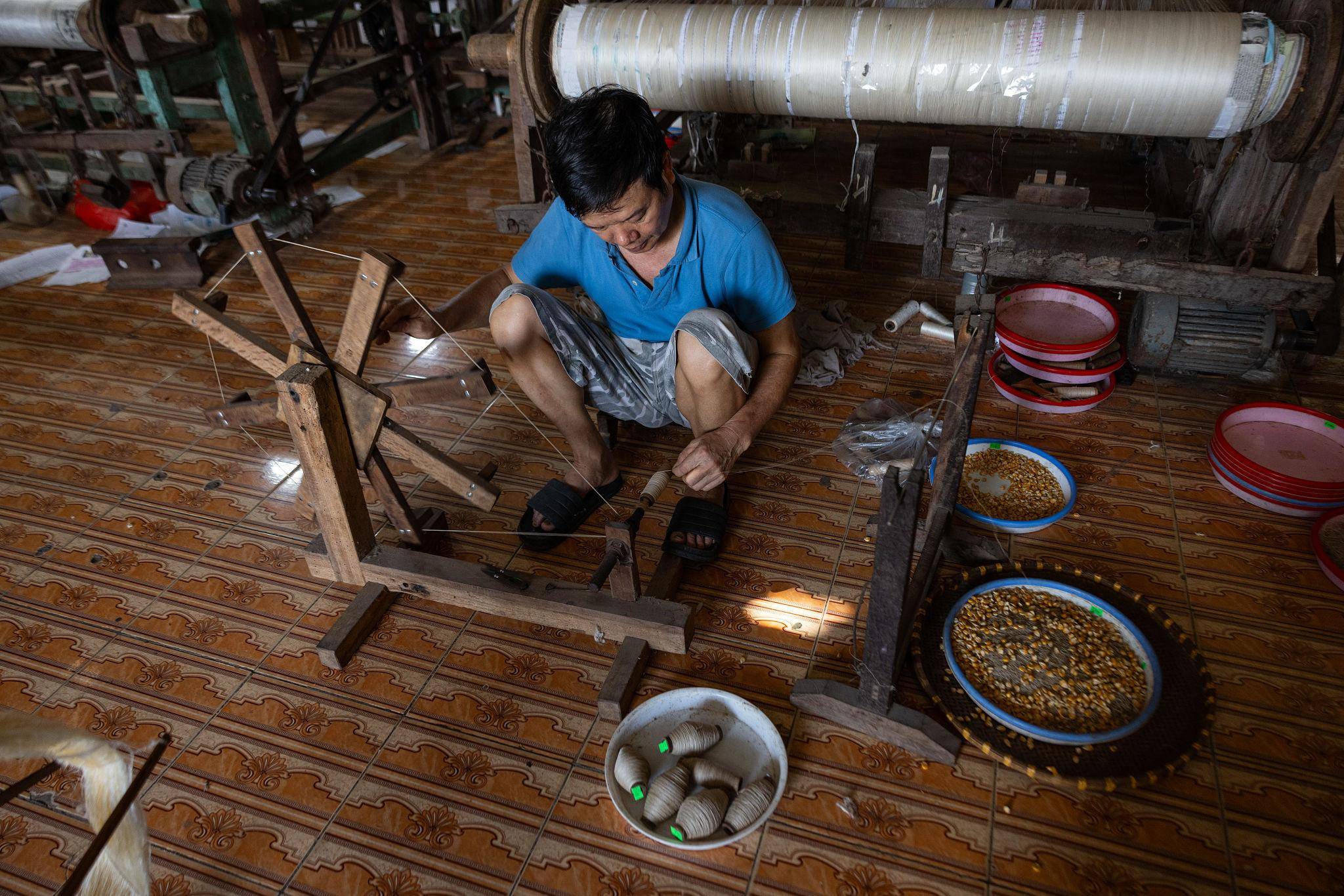
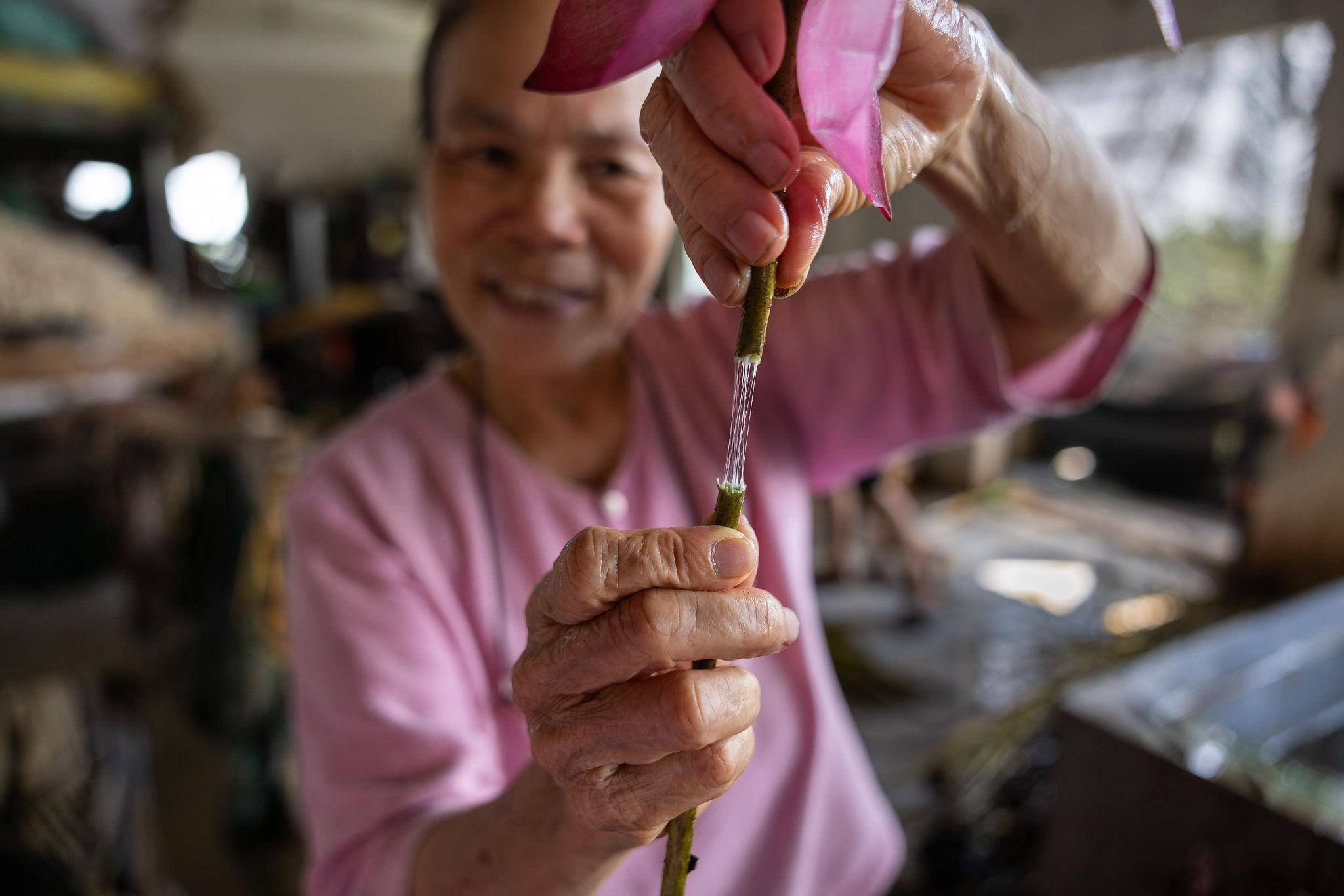
In the evolving landscape of sustainable and high-end textiles, Vietnam’s lotus silk has emerged as a truly exceptional product. Known locally as “lụa tơ sen,” this rare fabric is made from the delicate fibers extracted from lotus stems—a process that requires immense skill, patience, and craftsmanship.
Unique Characteristics of Lotus Silk
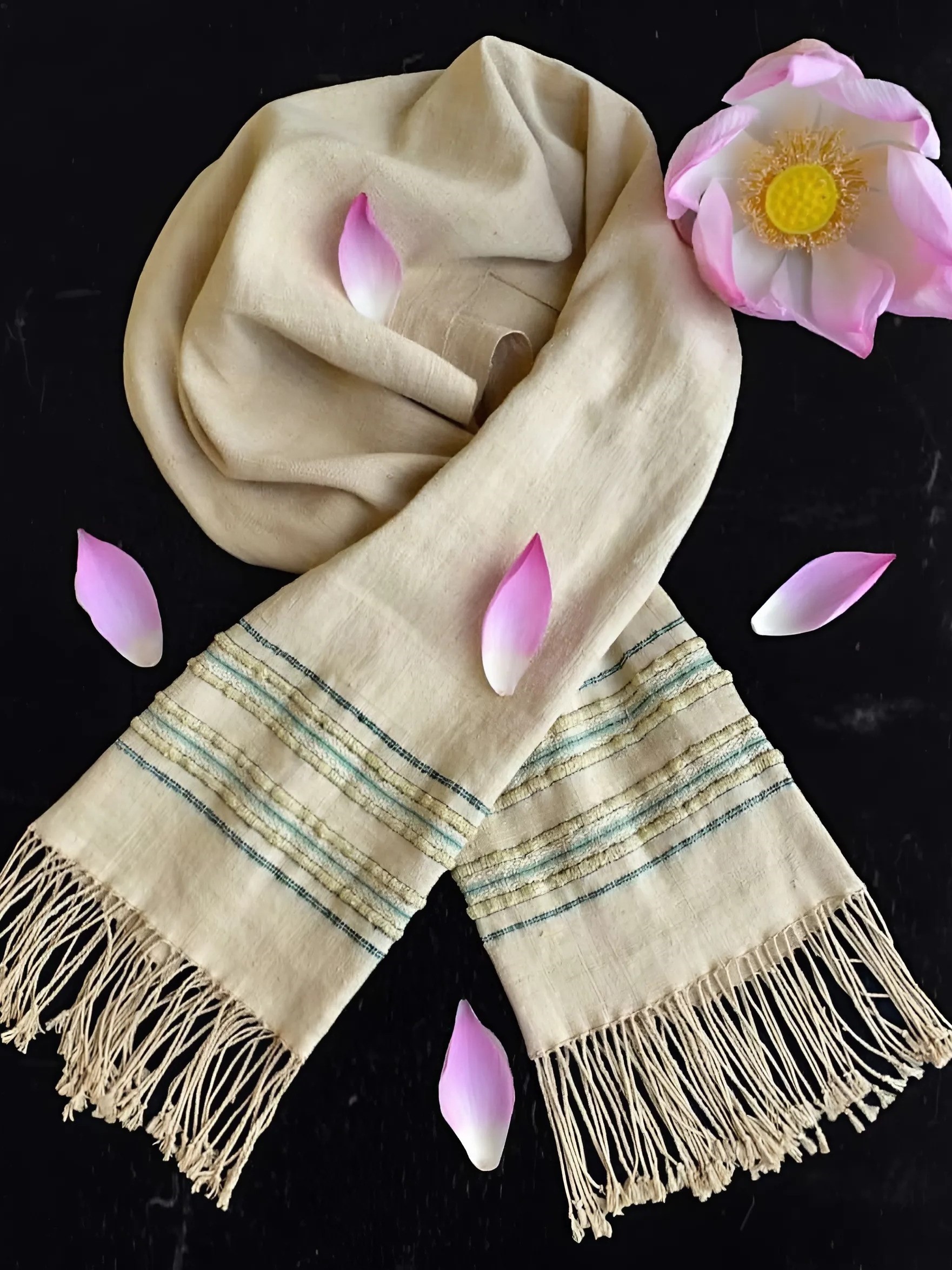
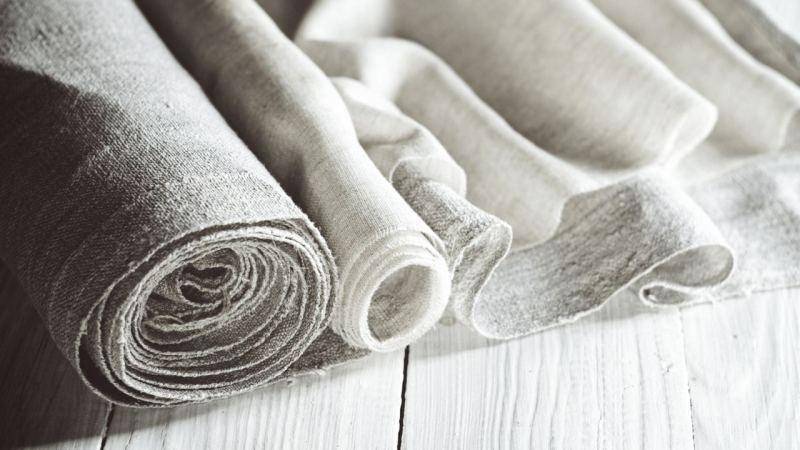
Lotus silk stands out for its natural softness and lightness, offering a gentle, almost weightless feel on the skin. Unlike conventional silk, it has a slightly textured surface that gives it a distinctive, organic look highly valued in luxury fashion.
Another remarkable feature is its breathability and moisture absorption, making it comfortable to wear in both warm and cool climates. The fabric naturally regulates temperature, enhancing its usability across different environments.
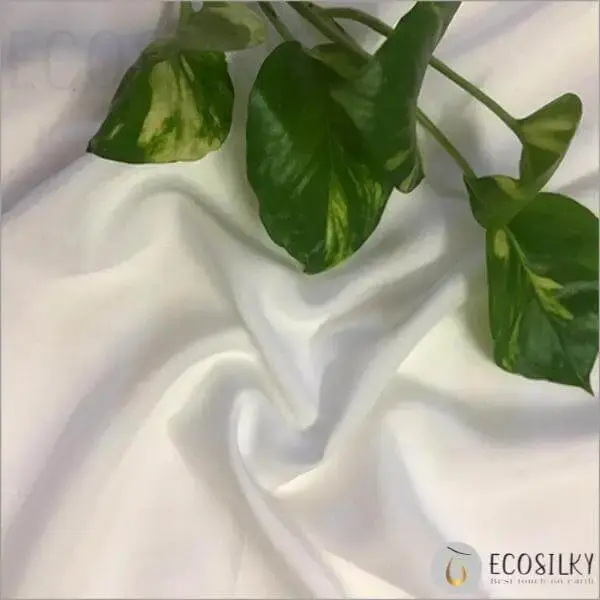
Lotus silk is also known for its natural, subtle sheen, which is less glossy than mulberry silk but more refined and understated—appealing to consumers who favor minimalist and sophisticated aesthetics.
From a sustainability perspective, lotus silk is highly eco-friendly and biodegradable. The production process uses natural materials with minimal chemical intervention, aligning perfectly with global trends toward ethical and environmentally responsible products.
A Labor-Intensive Craft with High Value
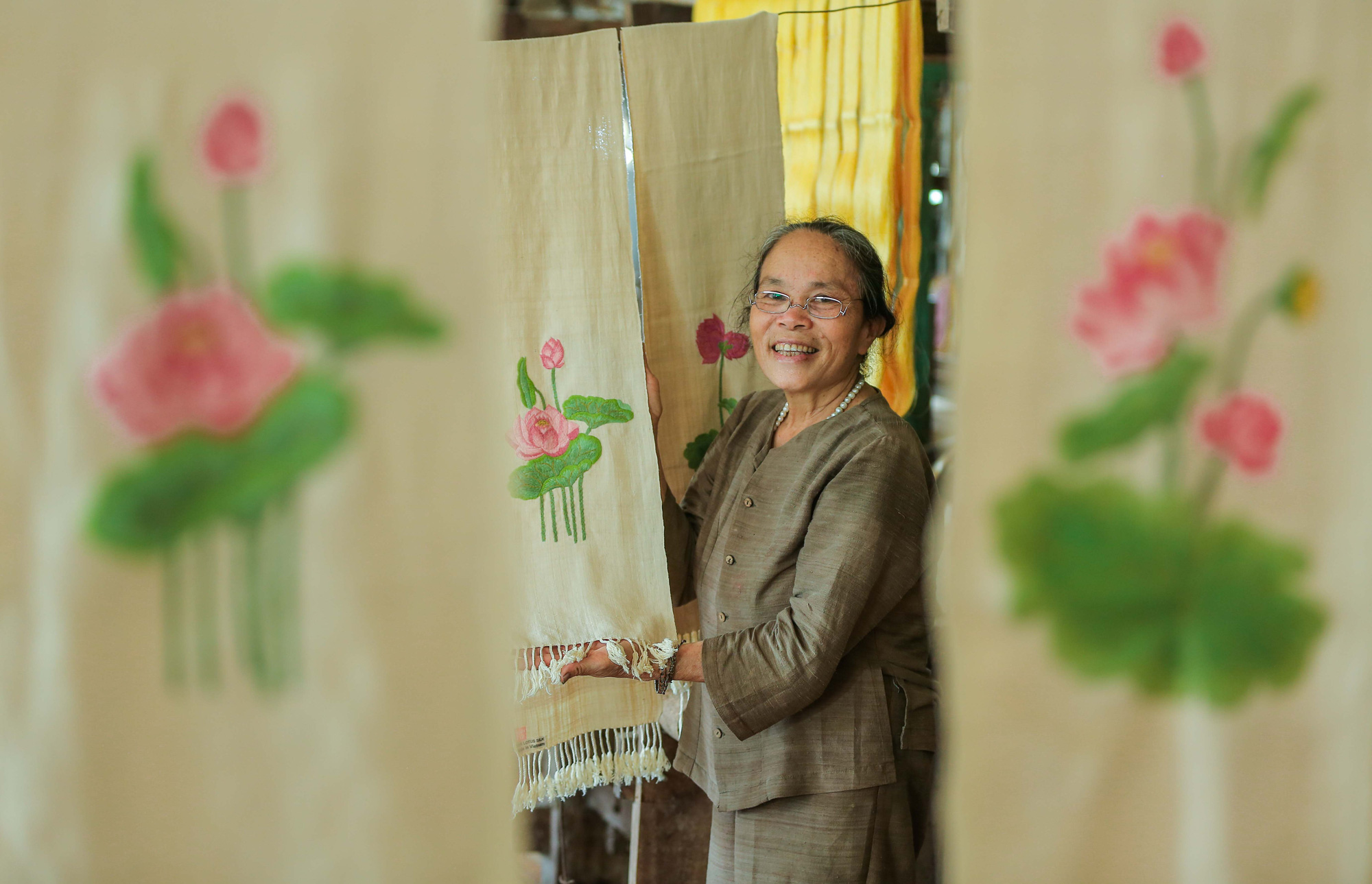
The creation of lotus silk is extremely time-consuming. Artisans must carefully extract fine filaments from fresh lotus stems, roll them together, and spin them into threads before weaving. It can take thousands of stems to produce just a small piece of fabric. This labor-intensive process significantly increases the product’s value, positioning it as a luxury textile in international markets.
Diverse Applications of Lotus Silk Products
Due to its premium nature, lotus silk is used in a range of high-end products:
- Fashion garments: Elegant dresses, blouses, and traditional attire
- Scarves and shawls: Lightweight, luxurious accessories highly sought after globally
- Artisanal textiles: Limited-edition fabrics for designers and luxury brands
- Spiritual and cultural items: Often associated with purity and mindfulness, reflecting the symbolism of the lotus flower
Export Potential and Global Trends
Global demand for rare, sustainable, and story-driven products is growing rapidly, especially in markets such as Europe, the United States, and Japan. Lotus silk perfectly fits this niche, offering exclusivity, craftsmanship, and a compelling cultural story.
Vietnamese producers are increasingly focusing on branding, storytelling, and collaborations with international designers to elevate the product’s global presence. Limited production volumes also enhance its exclusivity, making it attractive to high-end consumers.
Challenges and Future Opportunities
Despite its strong appeal, lotus silk faces challenges such as limited raw material supply, high production costs, and the need for skilled labor. Scaling production while maintaining authenticity remains a key concern.
However, with the right investment in training, sustainable farming, and global marketing, lotus silk has the potential to become one of Vietnam’s most prestigious export products—representing the pinnacle of craftsmanship and natural luxury.
With its rare origin, exceptional qualities, and deep cultural significance, Vietnamese lotus silk is more than just a textile—it is a symbol of harmony between nature, tradition, and artistry, ready to captivate the global luxury market.