
Vietnamese Lacquer Paintings: One-of-a-Kind Masterpieces for Global Art and Décor Markets
Vietnamese lacquer paintings (tranh sơn mài), often created as one-of-a-kind artworks, are gaining international recognition for their depth, craftsmanship, and cultural storytelling. With their unique techniques and artistic value, these pieces are becoming high-end export products in global art and interior décor markets.
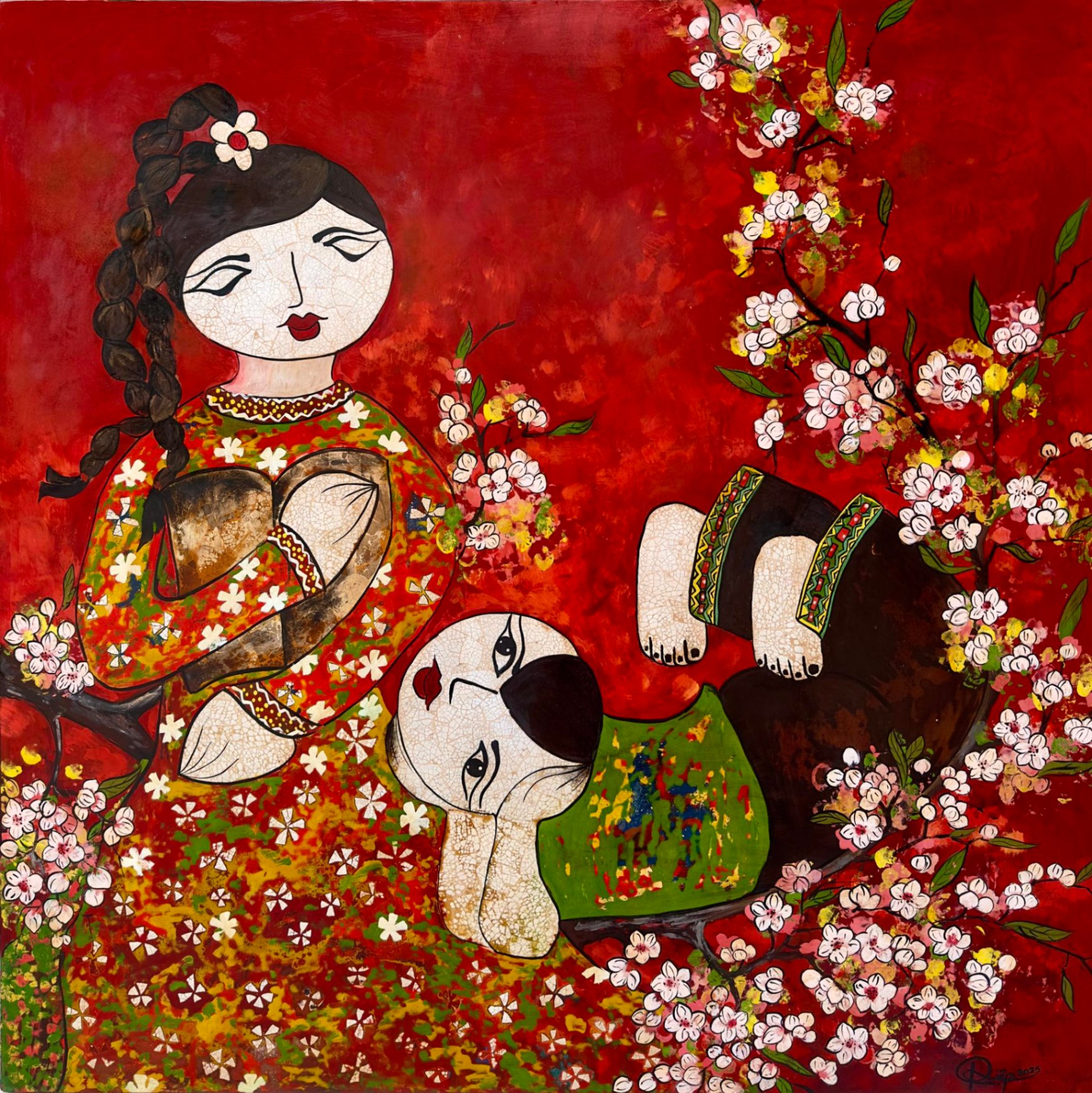
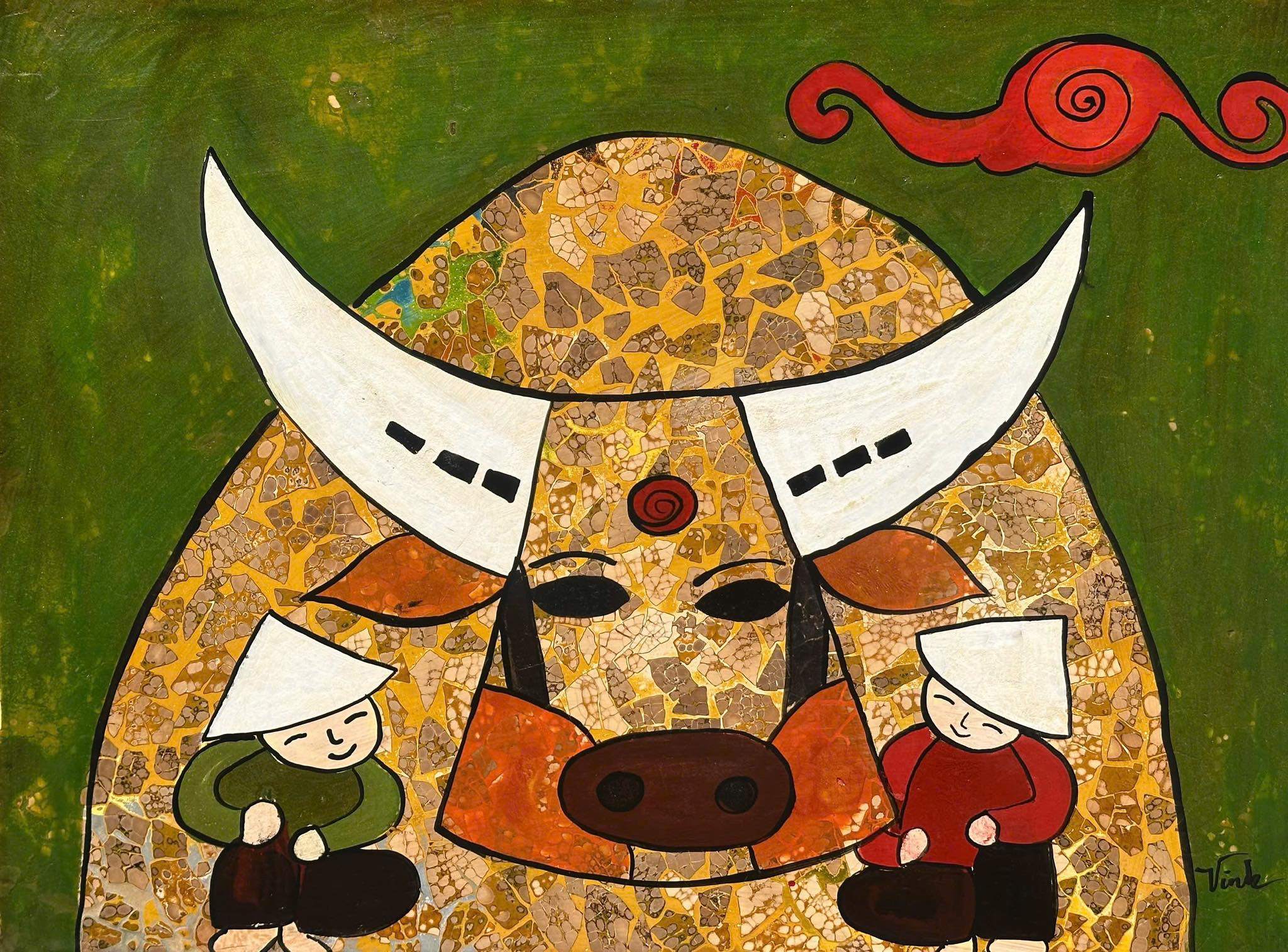
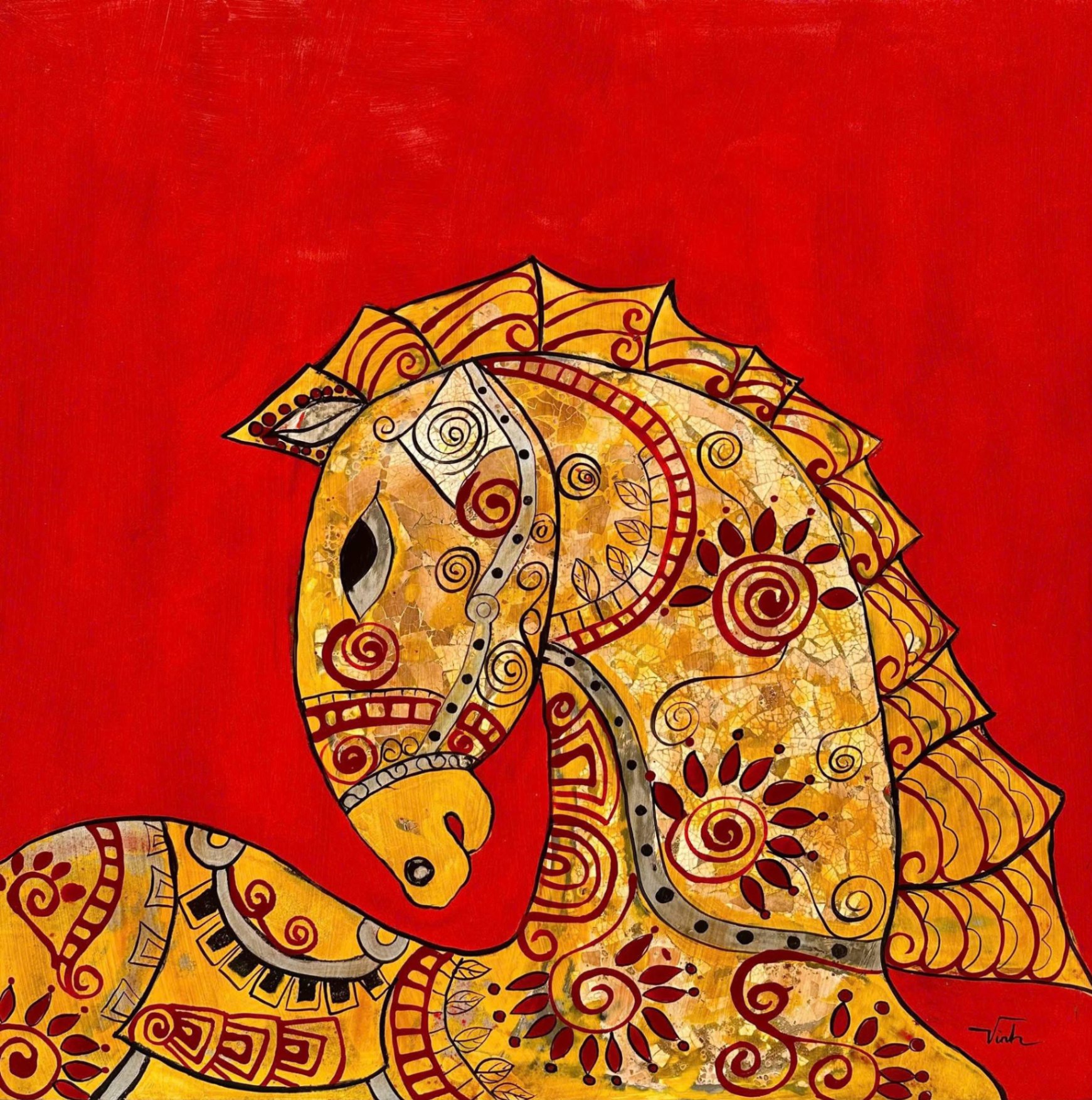
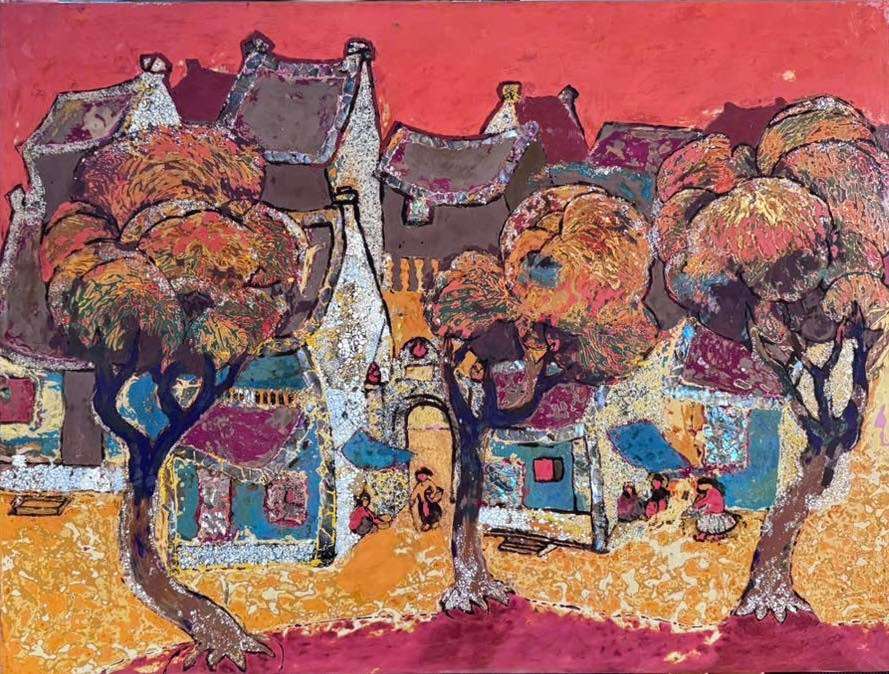
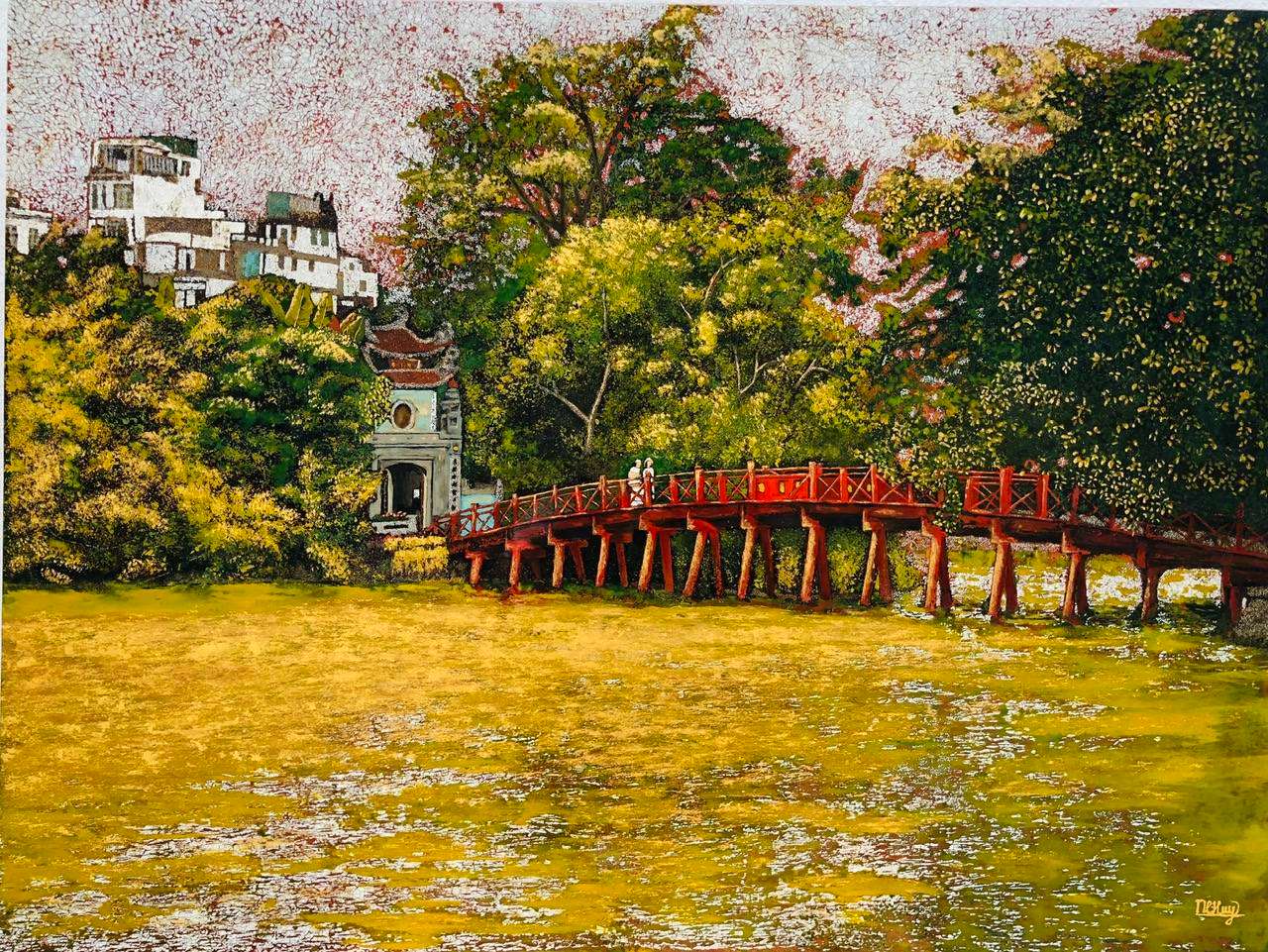
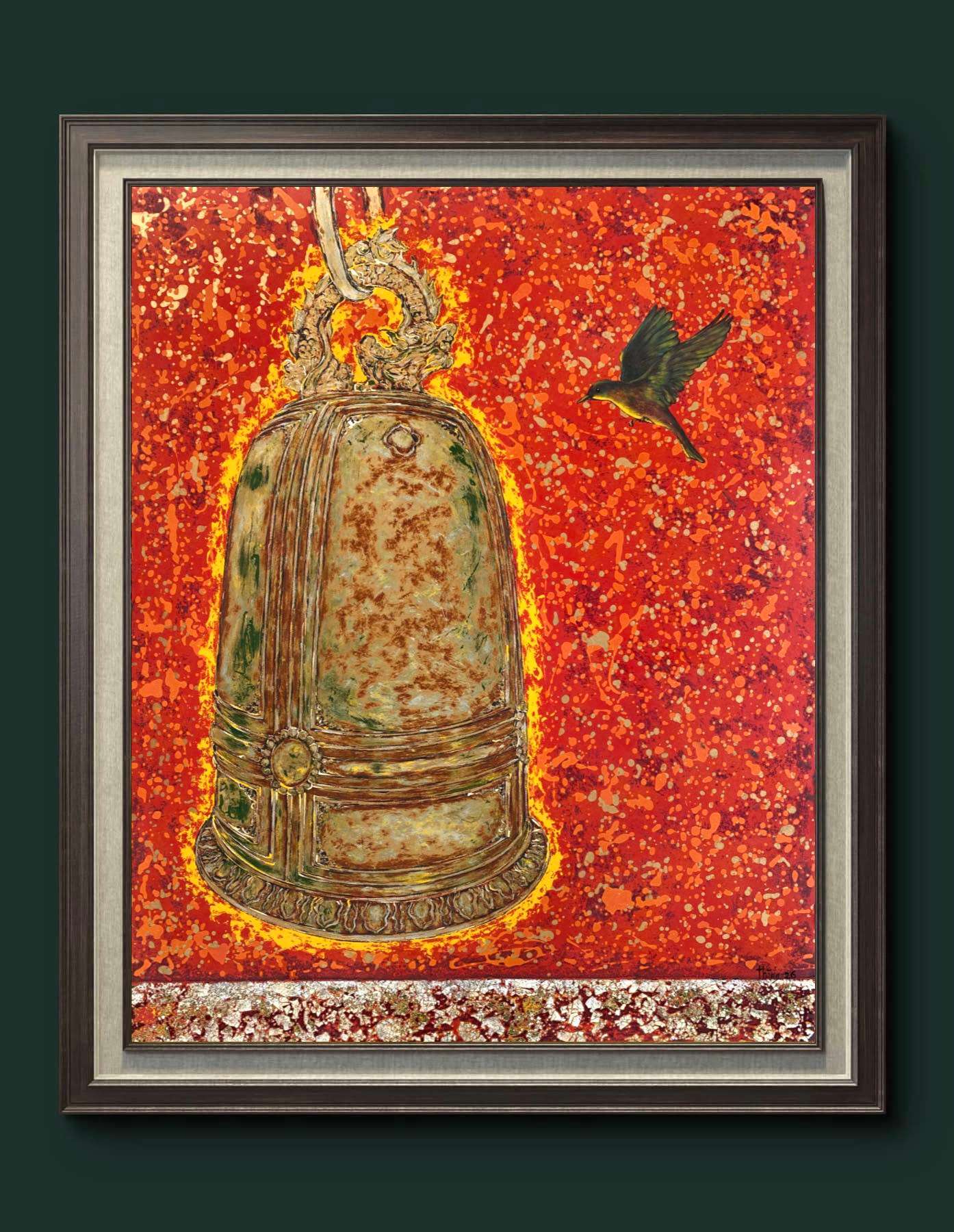
Vietnamese lacquer painting, known as “sơn mài,” is one of the country’s most distinctive and sophisticated art forms. Unlike mass-produced décor items, most lacquer paintings are unique, one-of-a-kind creations, making them especially valuable in international markets where originality and authenticity are highly prized. Lacquer paintings are created through a complex, multi-layered process that requires both artistic talent and technical expertise. Artists apply layers of natural lacquer onto wooden panels, incorporating materials such as gold leaf, silver leaf, eggshell, and mother-of-pearl. Each layer is carefully dried, polished, and refined to achieve a deep, glossy finish. What makes this technique exceptional is the process of sanding and revealing hidden layers, allowing colors and textures to emerge gradually. This creates a sense of depth and richness that cannot be replicated by other painting methods. Vietnamese lacquer paintings are known for several outstanding qualities: These characteristics position lacquer paintings not just as decorative items, but as collectible works of art. Vietnamese lacquer paintings are widely used in: Demand is particularly strong in markets such as Europe, the United States, Japan, and South Korea, where appreciation for handmade and culturally rich art continues to grow. As global consumers shift toward authentic, handcrafted, and story-driven products, lacquer paintings are well-positioned in the premium segment. Their exclusivity and artistic depth make them especially attractive to buyers looking for distinctive décor and investment pieces. Vietnamese artists and exporters are also exploring modern themes and abstract styles to appeal to contemporary tastes, while maintaining traditional techniques. Custom commissions and collaborations with designers are further expanding market opportunities. Despite their strong appeal, lacquer paintings face challenges such as high production time, limited scalability, and the need for careful packaging during export. Protecting authenticity and supporting artists are also key concerns. With their unmatched craftsmanship, cultural depth, and one-of-a-kind nature, Vietnamese lacquer paintings represent the pinnacle of artistic handicrafts. As they reach global markets, these masterpieces offer more than visual beauty—they tell stories, preserve heritage, and bring a timeless sense of elegance to spaces around the world.The Art of Lacquer Painting
Unique Characteristics and Artistic Value
Applications and Export Markets
Export Potential and Market Trends
Challenges and Future Opportunities


