
Vietnamese Brocade (Thổ Cẩm): Ethnic Heritage Weaving Its Way into Global Fashion and Décor Markets
Vietnamese brocade (thổ cẩm), handwoven by ethnic minority communities, is gaining global recognition as a sustainable and culturally rich textile. With its vibrant patterns, handmade quality, and versatile applications, brocade is becoming a promising export product in fashion, accessories, and home décor markets.
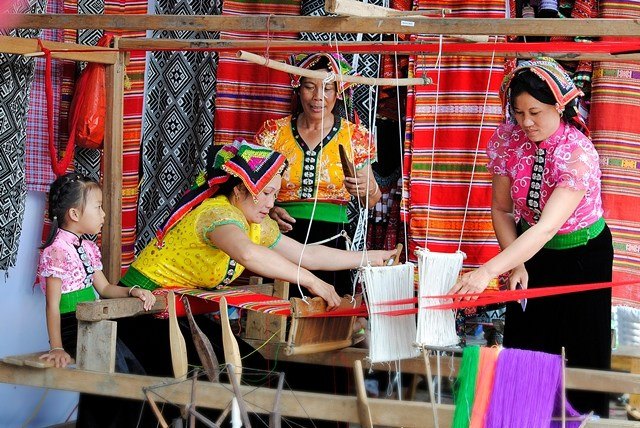
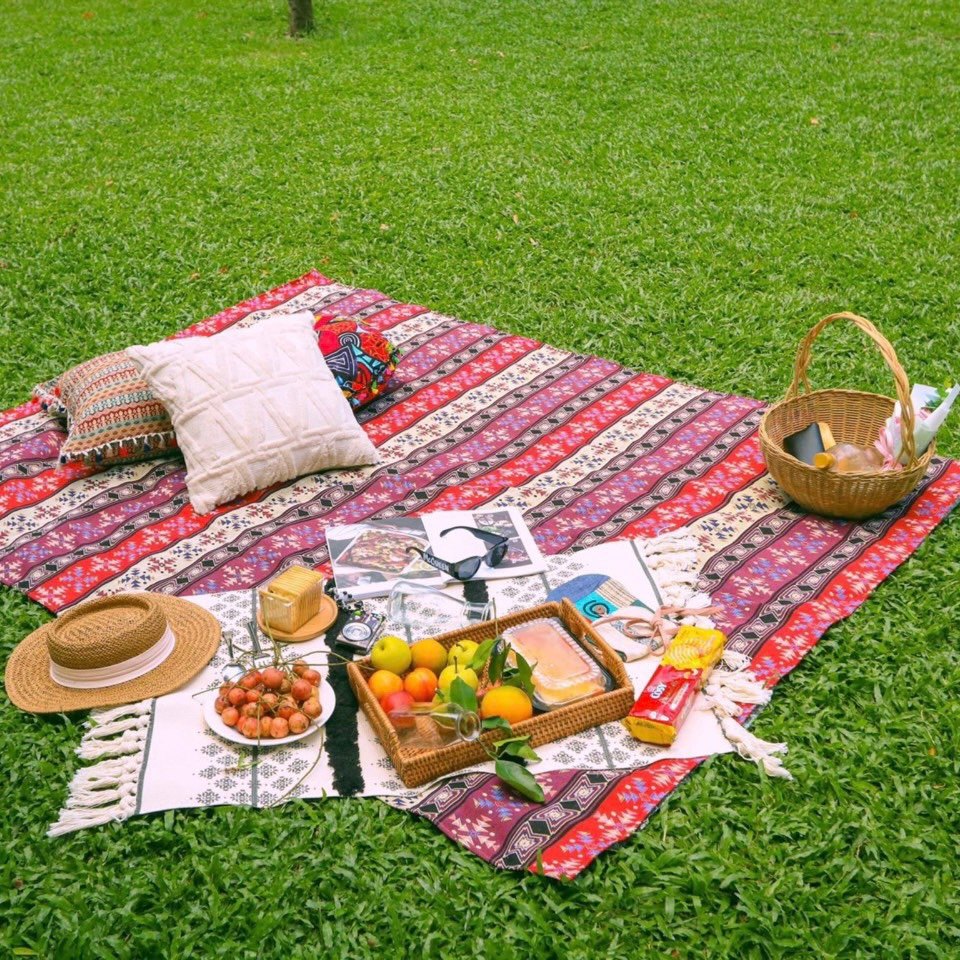
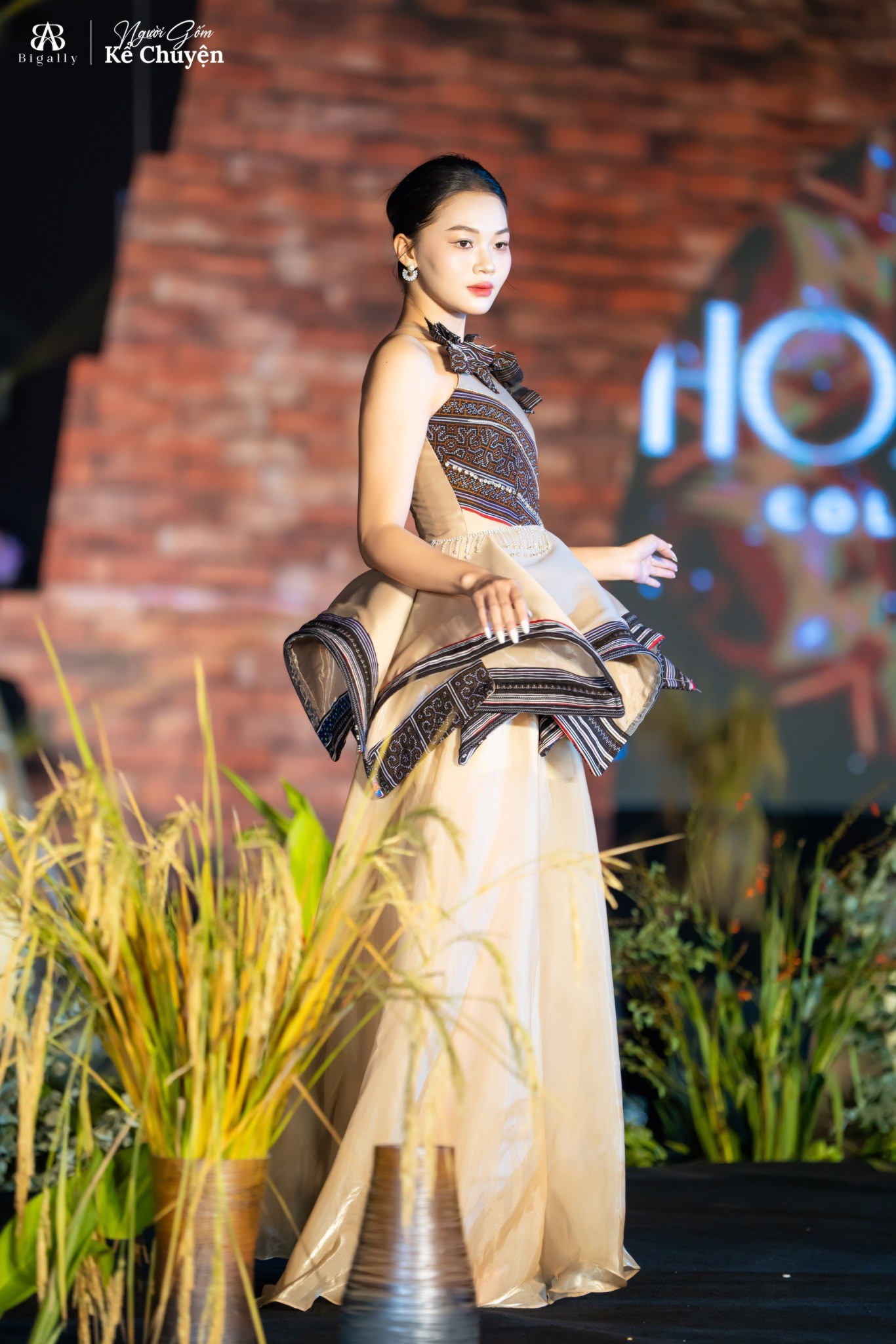
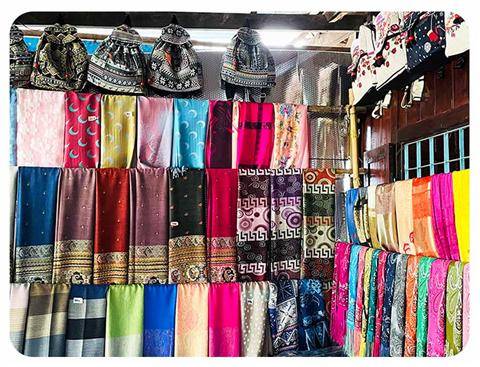
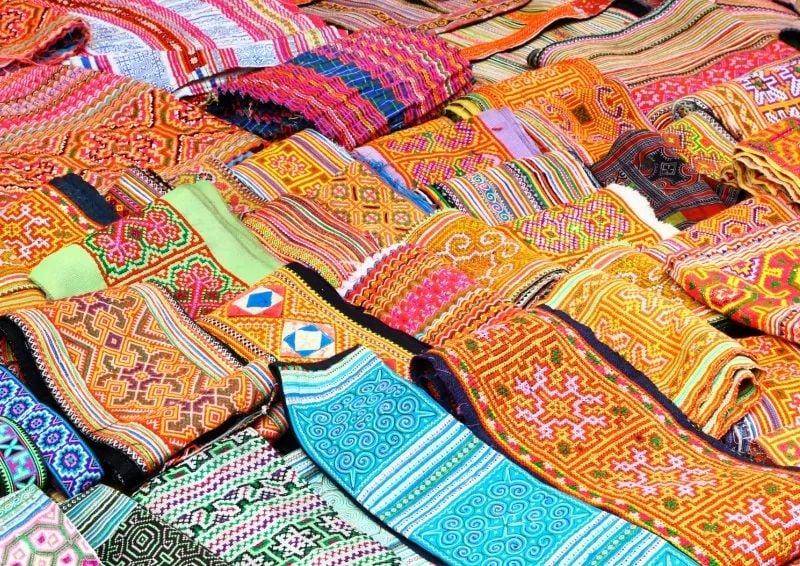
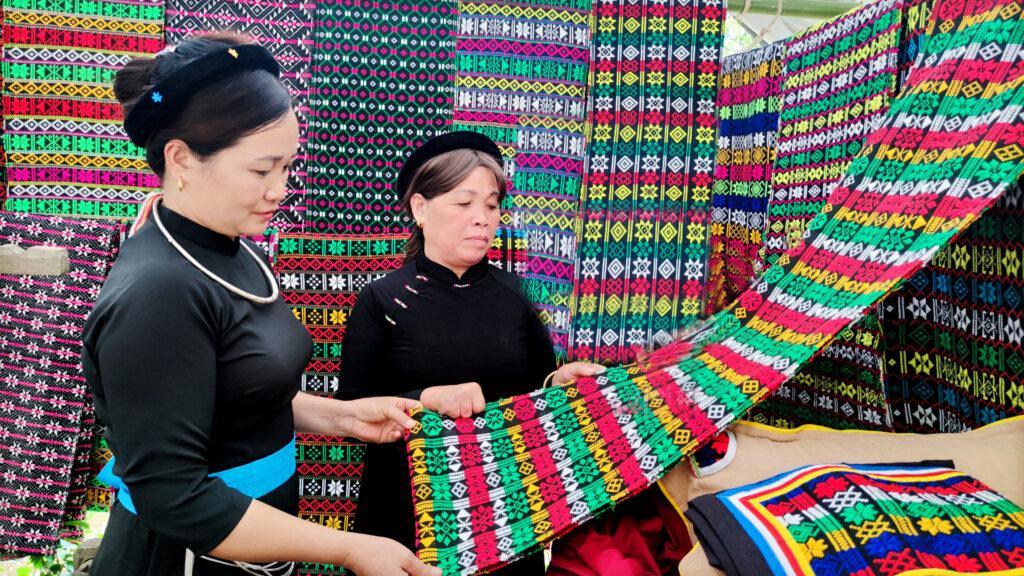
Vietnam’s brocade, known locally as “thổ cẩm,” represents one of the most distinctive and culturally rich textile traditions in Southeast Asia. Created by ethnic minority groups such as the Hmong, Thai, Dao, and Ede, brocade fabrics are more than just materials—they are visual stories that reflect identity, history, and daily life. What makes Vietnamese brocade truly special is its handwoven craftsmanship. Each piece is created on traditional looms, often requiring days or even weeks to complete. This slow, manual process ensures that every product is unique, with slight variations that add to its authenticity. Brocade fabrics are known for their bold colors and intricate patterns, often inspired by nature, animals, and symbolic cultural motifs. These designs are not only decorative but also carry meanings related to beliefs, traditions, and community values. Another important feature is the use of natural materials and dyes. Many artisans use cotton, linen, or silk threads combined with plant-based dyes, making brocade an eco-friendly and sustainable textile choice. Thanks to its distinctive aesthetics and durability, Vietnamese brocade is used in a wide range of export products: These versatile applications allow exporters to target multiple international market segments, from fashion brands to interior designers and boutique retailers. In recent years, global consumers have shown increasing interest in ethical fashion, handmade goods, and cultural authenticity. Vietnamese brocade aligns perfectly with these trends, especially in markets such as Europe, the United States, Japan, and South Korea. Many international designers are also incorporating ethnic textiles into modern collections, creating opportunities for collaboration and value-added exports. Vietnamese producers are responding by innovating in design—blending traditional patterns with contemporary styles to meet global tastes. Despite its strong appeal, brocade production faces challenges such as limited scalability, preservation of traditional techniques, and ensuring consistent quality. Supporting artisan communities, investing in design development, and improving branding will be essential to expand its global reach.Unique Characteristics of Vietnamese Brocade
Diverse Applications of Brocade Products
Export Potential and Market Trends
Challenges and Opportunities


