
Natural Kapok Fiber: Vietnam’s Sustainable “Silk Cotton” to the World
Kapok fiber, harvested from the fruit of the kapok tree, is a lightweight, natural, and eco-friendly material increasingly востребован in global markets. With its excellent insulation, buoyancy, and sustainability, Vietnamese kapok is becoming a valuable export product for industries such as bedding, furniture, and eco-packaging.Summary
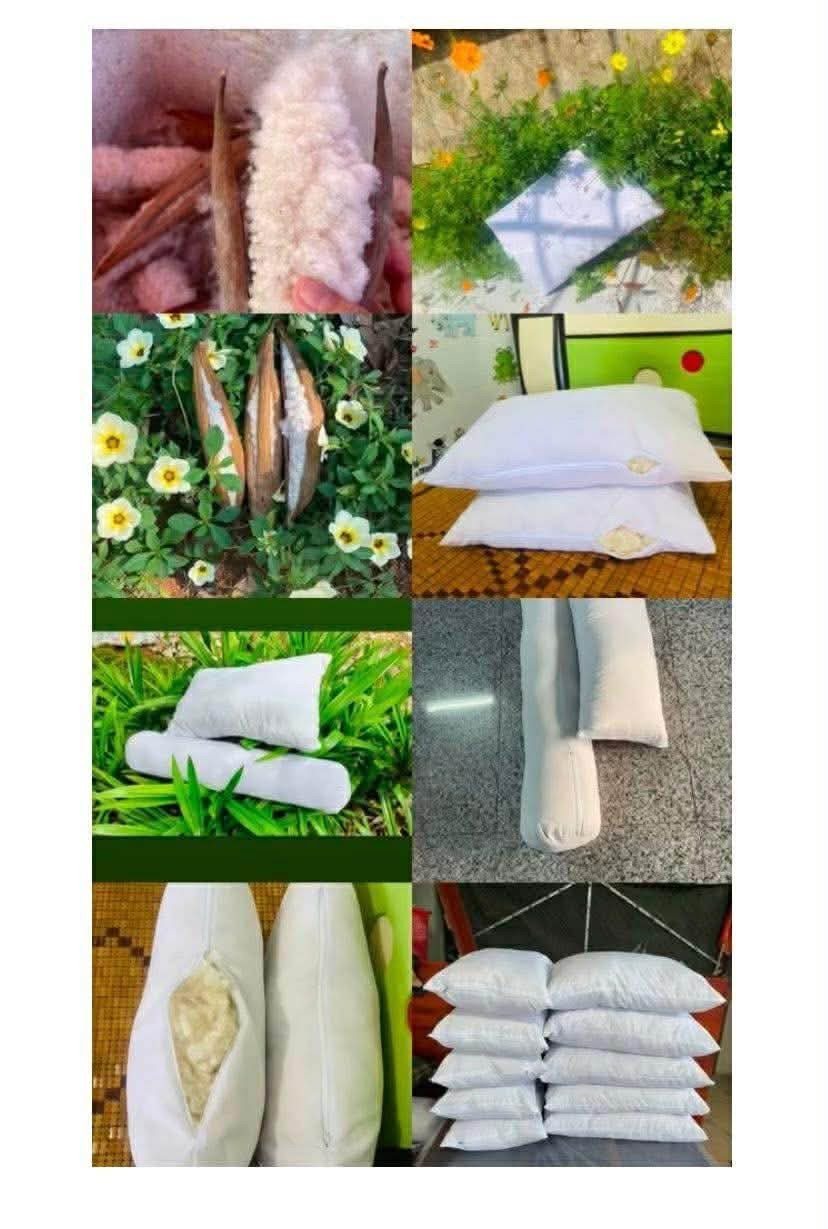
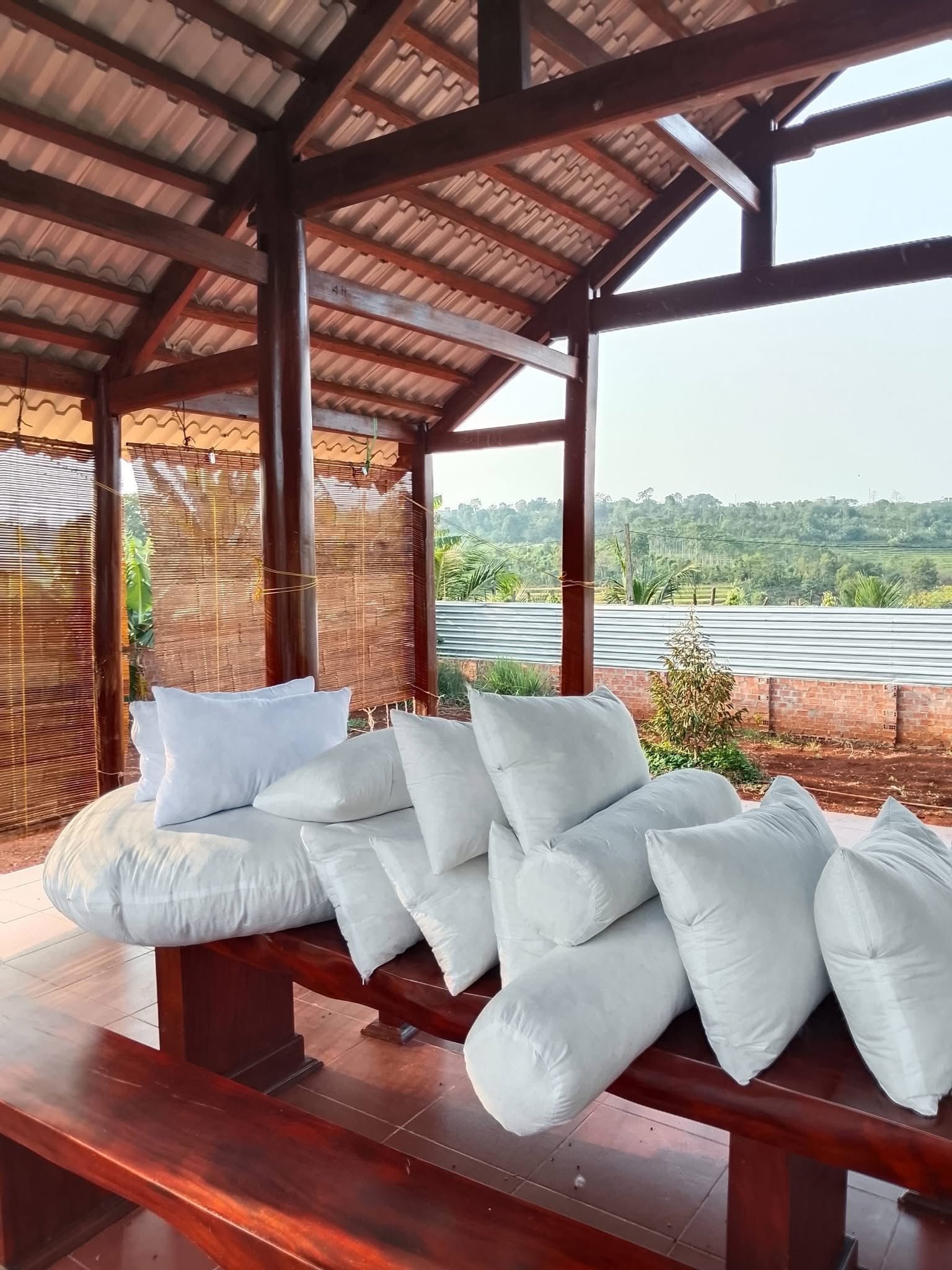
Kapok fiber—often referred to as “silk cotton”—is derived from the seed pods of the kapok tree, commonly found in tropical regions like Vietnam. For generations, local farmers have harvested this soft, fluffy fiber and used it in traditional pillows and mattresses. Today, as the world shifts toward sustainable and biodegradable materials, kapok fiber is gaining renewed attention as a high-potential export commodity. Kapok fiber stands out due to its unique natural properties: Vietnam has strong potential in exporting kapok fiber thanks to: Kapok fiber is gaining popularity in: To successfully export kapok fiber, businesses should consider: Kapok fiber from Vietnam represents a perfect balance between tradition and sustainability. As global markets increasingly prioritize eco-friendly materials, this natural “silk cotton” offers significant export opportunities. With proper quality control, branding, and logistics strategies, Vietnamese exporters can position kapok fiber as a premium green product worldwide.
Product Overview
Export Advantages
Target Markets
Logistics & Export Considerations
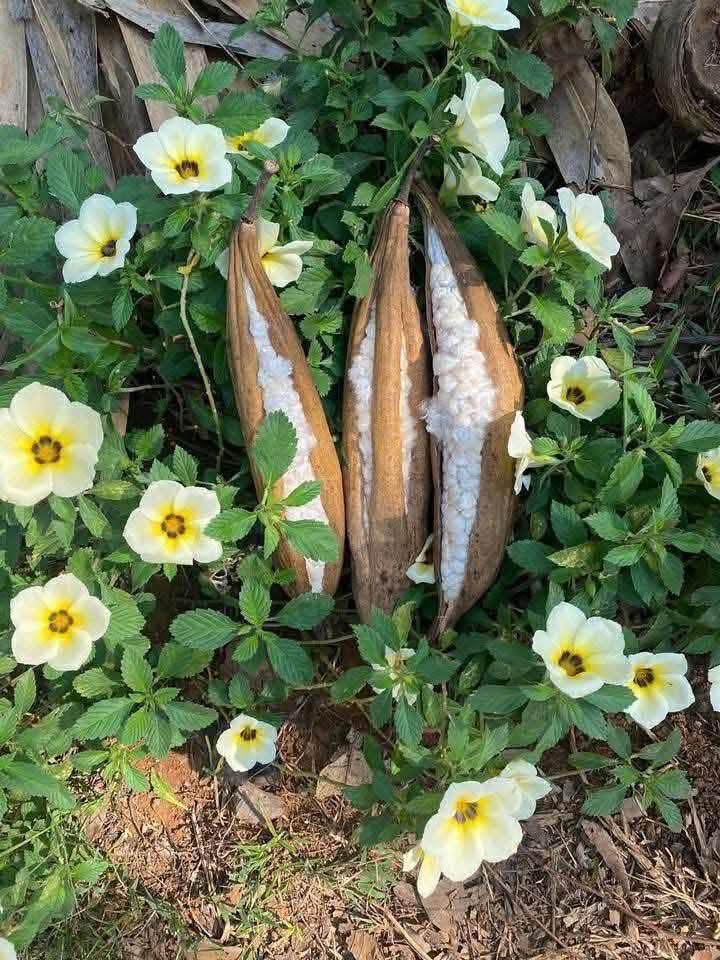
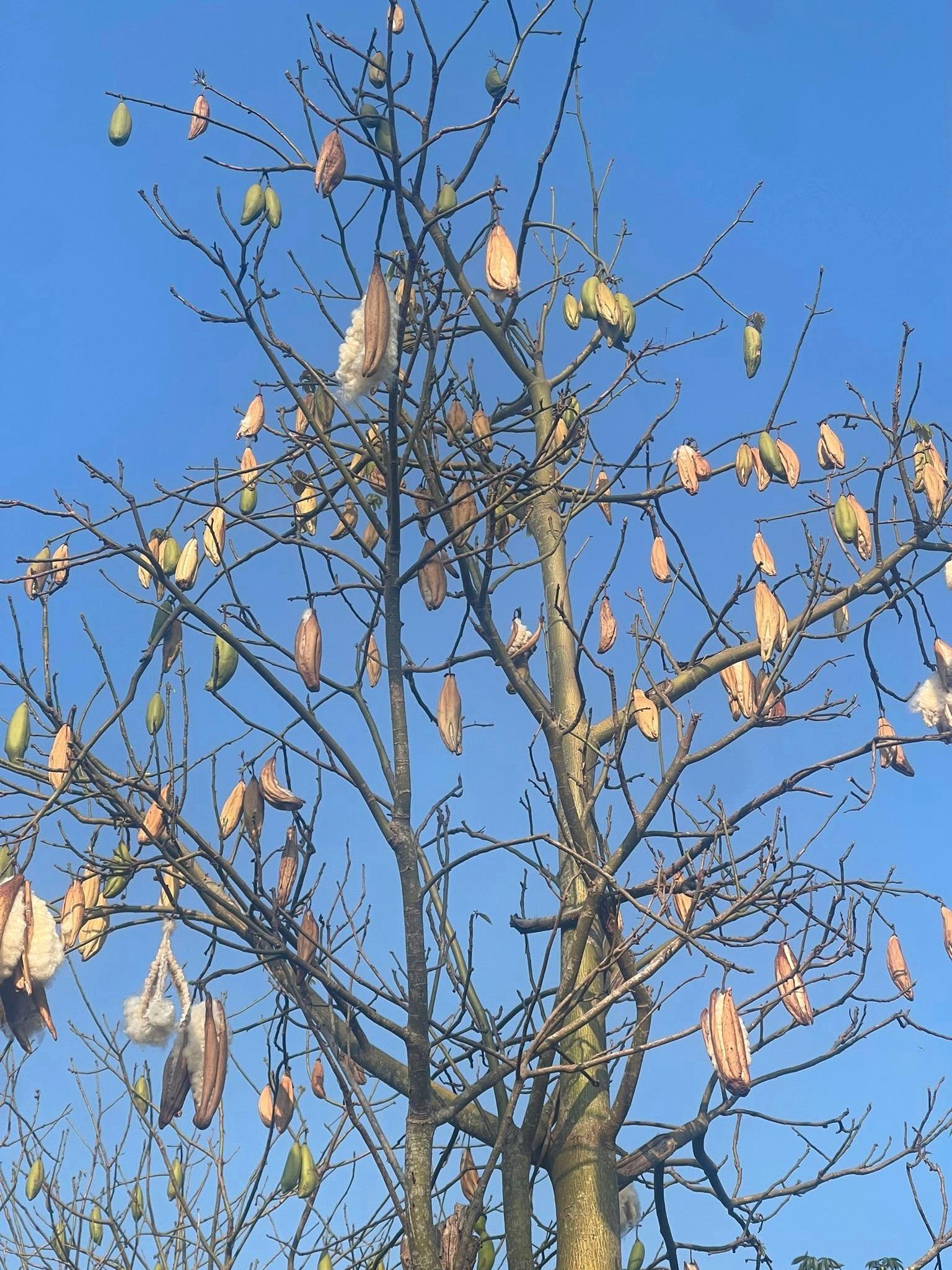
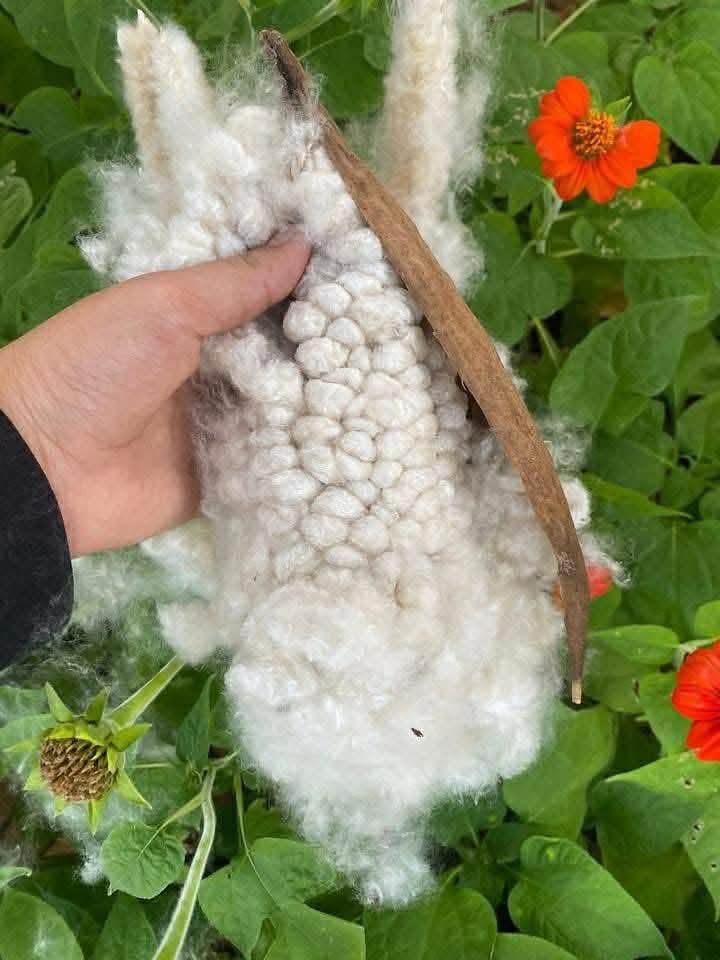
Image of Kapok Fiber from Fruit
Conclusion


